
Hey there! As a supplier of Hydrophilic Softener, I often get asked if there are any natural alternatives to hydrophilic softeners. Well, let's dive right into this topic and explore what's out there.
First off, let's understand what hydrophilic softeners are. These are products that are used to make fabrics feel softer and more comfortable. They work by reducing the friction between fibers, which gives the fabric that smooth, silky feel we all love. Hydrophilic softeners are also great at making fabrics absorbent, which is why they're commonly used in things like towels and baby clothes.
Now, when it comes to natural alternatives, there are a few options that people often consider. One of the most popular natural alternatives is vinegar. Vinegar is a common household item that has been used for centuries for various purposes, including fabric softening. It's acidic, which helps to break down the minerals and residues that can make fabrics feel stiff. To use vinegar as a fabric softener, you can simply add about half a cup of white vinegar to the rinse cycle of your washing machine. It not only softens the fabric but also helps to remove any odors.
Another natural alternative is baking soda. Baking soda is known for its cleaning and deodorizing properties. When added to the wash, it can help to soften the water, which in turn makes the fabric feel softer. You can add about half a cup of baking soda to the wash cycle along with your regular detergent. It's a simple and cost - effective way to achieve softer fabrics.
Wool dryer balls are also a great natural option. These are made from 100% wool and can be used in the dryer. As they tumble around with the clothes, they help to separate the fibers, which reduces static and makes the fabric feel softer. They can be reused multiple times, making them an eco - friendly choice.
But how do these natural alternatives compare to traditional hydrophilic softeners? Well, while natural alternatives can be effective to some extent, they may not offer the same level of performance as commercial hydrophilic softeners. For example, commercial hydrophilic softeners are formulated to provide long - lasting softness and improved absorbency. They are also designed to work well with different types of fabrics, including synthetic and natural fibers.


On the other hand, natural alternatives like vinegar and baking soda may not be as effective on certain fabrics, especially those that require a high level of softness and absorbency. They may also not be able to provide the same level of static reduction as commercial softeners.
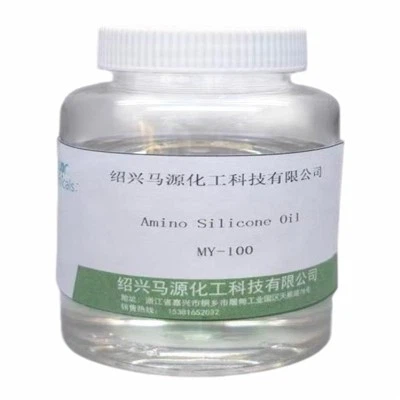
Now, let's talk about some of the other products in the softening world. Block Silicone Oil and Amino Silicone Oil are two types of silicone - based softeners. These are often used in the textile industry to provide a high level of softness and smoothness to fabrics. They work by forming a thin film on the surface of the fibers, which reduces friction and gives the fabric a luxurious feel.
Block silicone oil is known for its excellent hydrophilic properties. It can make fabrics more absorbent while still providing a soft and smooth feel. Amino silicone oil, on the other hand, is great for improving the elasticity and hand feel of fabrics. It can also help to reduce pilling and improve the overall appearance of the fabric.
As a supplier of hydrophilic softeners, I understand that some customers may be interested in natural alternatives due to concerns about chemicals and environmental impact. However, it's important to note that our hydrophilic softeners are formulated to be safe and effective. They undergo strict quality control measures to ensure that they meet the highest standards.
If you're in the market for a high - quality hydrophilic softener, we've got you covered. Our products are designed to provide the best possible softness and absorbency for a wide range of fabrics. Whether you're a textile manufacturer or a consumer looking for the perfect softener for your clothes, we can offer you a solution that meets your needs.
If you're interested in learning more about our hydrophilic softeners or would like to discuss your specific requirements, don't hesitate to reach out. We're here to help you find the right product for your needs. Whether you're looking for a softener for a large - scale textile production or just for your home laundry, we can provide you with the information and support you need.
In conclusion, while there are natural alternatives to hydrophilic softeners, they may not always offer the same level of performance as commercial products. Our hydrophilic softeners are designed to provide the best balance of softness, absorbency, and safety. So, if you're looking for a reliable and effective softening solution, consider giving our products a try.
References:
- Textile Chemistry textbooks for understanding fabric softening mechanisms.
- Research papers on natural fabric softening agents.