
Acid dyes are widely used in the textile industry for dyeing protein fibers such as wool, silk, and nylon due to their excellent color fastness and a wide range of bright colors. However, the color fastness of acid dyes can sometimes be a concern, especially when it comes to washing, rubbing, or exposure to light. This is where color fixing agents come into play. As a supplier of Color Fixing Agent, I'd like to delve into how these agents work on acid dyes to enhance color fastness.
Understanding Acid Dyes
Before we discuss the role of color fixing agents, it's essential to understand the nature of acid dyes. Acid dyes are anionic dyes, which means they carry a negative charge. They are applied to fibers in an acidic medium, where the positive charges on the fiber surface attract the negatively charged dye molecules. This electrostatic attraction is the primary mechanism for dye fixation on the fiber. However, this bond can be relatively weak, leading to issues such as color bleeding, fading, and poor fastness properties.
How Color Fixing Agents Work
Color fixing agents are chemical compounds that are designed to improve the color fastness of dyes on fibers. They work through several mechanisms, which we will explore in detail below.
1. Formation of Insoluble Complexes
One of the primary ways color fixing agents work is by forming insoluble complexes with the acid dyes. These agents typically contain cationic groups, which are positively charged. When added to the dyed fabric, the cationic groups of the color fixing agent react with the anionic groups of the acid dyes. This reaction forms a large, insoluble complex that is firmly attached to the fiber surface.
For example, some color fixing agents contain quaternary ammonium salts. These salts have a positive charge that can interact with the negative charge of the acid dyes. The resulting complex is less likely to dissolve in water, reducing the likelihood of color bleeding during washing.


2. Cross - Linking with the Fiber
Color fixing agents can also cross - link with the fiber itself. This cross - linking creates a more stable structure that holds the dye molecules in place. Some color fixing agents contain reactive groups that can form covalent bonds with the functional groups on the fiber surface.
In the case of protein fibers like wool and silk, the color fixing agent can react with the amino and carboxyl groups on the fiber. This covalent bonding not only improves the color fastness but also enhances the overall durability of the dyed fabric.
3. Coating the Fiber Surface
Another mechanism is the formation of a protective coating on the fiber surface. The color fixing agent can form a thin film around the fiber, encapsulating the dye molecules. This coating acts as a barrier, preventing the dye from coming into contact with external factors such as water, light, and abrasion.
This protective layer can also improve the rubbing fastness of the dyed fabric. When the fabric is rubbed, the coating helps to keep the dye molecules in place, reducing the amount of dye that is transferred to other surfaces.
Factors Affecting the Performance of Color Fixing Agents
The effectiveness of color fixing agents on acid dyes can be influenced by several factors.
1. Type of Color Fixing Agent
There are different types of color fixing agents available, each with its own chemical composition and mechanism of action. Some are more suitable for specific types of acid dyes or fibers. For example, cationic color fixing agents are commonly used for acid dyes, but the choice of the specific cationic compound can affect the performance.
2. Concentration of the Color Fixing Agent
The concentration of the color fixing agent in the treatment bath is crucial. If the concentration is too low, the color fastness improvement may be insufficient. On the other hand, if the concentration is too high, it can lead to problems such as a decrease in fabric softness or an increase in cost.
3. Treatment Conditions
The temperature, pH, and treatment time during the application of the color fixing agent can also affect its performance. For example, some color fixing agents require a specific pH range to work effectively. If the pH is not within the recommended range, the reaction between the color fixing agent and the acid dye may not occur optimally.
Compatibility with Other Dyeing Auxiliaries
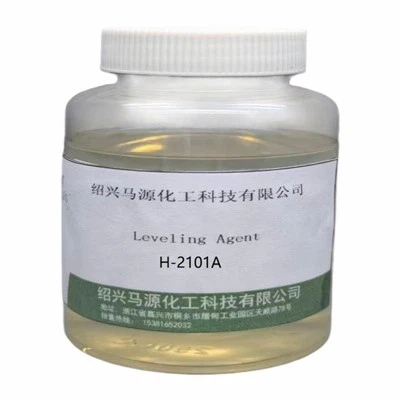
In the dyeing process, color fixing agents are often used in conjunction with other dyeing auxiliaries such as Leveling Agent and Dye Accelerant. It is important to ensure that the color fixing agent is compatible with these other auxiliaries.
For example, some leveling agents can affect the adsorption of the color fixing agent on the fiber. If there is an incompatibility, it can lead to uneven color fixing or other quality issues. Therefore, it is necessary to carefully select and test the combination of dyeing auxiliaries to achieve the best results.
Benefits of Using Color Fixing Agents
Using color fixing agents on acid dyes offers several benefits.
1. Improved Color Fastness
The most obvious benefit is the improvement in color fastness. By enhancing the bond between the dye and the fiber, color fixing agents reduce color bleeding, fading, and staining. This ensures that the dyed fabric maintains its color and appearance even after multiple washes or exposure to various environmental conditions.
2. Enhanced Product Quality
The use of color fixing agents can improve the overall quality of the dyed product. Fabrics with better color fastness are more durable and have a longer lifespan. This can increase customer satisfaction and the marketability of the products.
3. Cost - Effectiveness
Although color fixing agents add an additional cost to the dyeing process, they can be cost - effective in the long run. By reducing color loss and improving product quality, they can minimize the need for re - dyeing or product returns, which can save both time and money.
Conclusion
Color fixing agents play a crucial role in improving the color fastness of acid dyes on fibers. Through mechanisms such as the formation of insoluble complexes, cross - linking with the fiber, and coating the fiber surface, they enhance the bond between the dye and the fiber, resulting in better color retention.
As a supplier of Color Fixing Agent, we understand the importance of providing high - quality products that meet the specific needs of our customers. Our color fixing agents are carefully formulated to ensure optimal performance and compatibility with different types of acid dyes and fibers.
If you are looking for a reliable color fixing agent for your acid dyeing process, we invite you to contact us for more information and to discuss your specific requirements. Our team of experts is ready to assist you in finding the best solution for your dyeing needs.
References
- Lewis, D. M. (2007). The dyeing of wool. Woodhead Publishing.
- Shore, J. (1995). Handbook of textile and industrial dyes. Society of Dyers and Colourists.
- Zollinger, H. (2003). Color chemistry: syntheses, properties, and applications of organic dyes and pigments. Wiley - VCH.