
Hydrophilic softeners play a crucial role in enhancing the feel of fabrics, making them more comfortable and appealing to consumers. As a supplier of Hydrophilic Softeners, I am well - versed in the science behind how these products work and their impact on fabric quality.
The Science of Hydrophilic Softeners
To understand how hydrophilic softeners improve fabric feel, we first need to look at the basic structure of fabrics. Fabrics are made up of fibers, which can be natural (such as cotton, wool, and silk) or synthetic (like polyester, nylon, and acrylic). These fibers have different surface characteristics, and their interactions with water and other substances can significantly affect the fabric's feel.
Hydrophilic softeners are designed to modify the surface properties of fabric fibers. They contain molecules that have both hydrophilic (water - loving) and hydrophobic (water - repelling) parts. When applied to the fabric, these molecules orient themselves in a way that the hydrophilic part is exposed to the surface, while the hydrophobic part attaches to the fiber.
This orientation has several effects on the fabric. Firstly, it reduces the friction between fibers. In untreated fabrics, the fibers can rub against each other, which can lead to a rough or scratchy feel. The hydrophilic softener forms a thin layer on the fiber surface, acting as a lubricant. This lubricating effect allows the fibers to slide more easily against each other, resulting in a smoother and softer feel.
Secondly, hydrophilic softeners can improve the fabric's ability to absorb and release moisture. The hydrophilic part of the softener molecules attracts water molecules, allowing the fabric to absorb sweat and other moisture more effectively. This is particularly important for fabrics used in clothing, as it helps to keep the wearer dry and comfortable. At the same time, the softener also allows the moisture to be released more easily, preventing the fabric from feeling damp or sticky.
Comparison with Other Finishing Agents
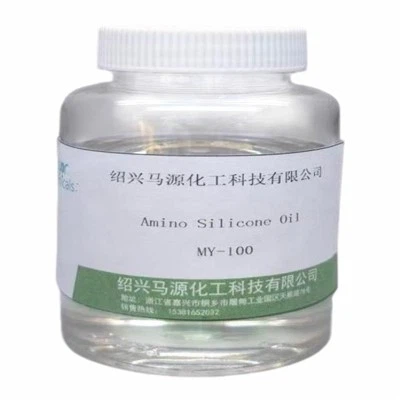
When it comes to fabric finishing, there are various types of agents available, such as Amino Silicone Oil and Color Deepening and Brightening Agent. While these agents have their own unique functions, hydrophilic softeners stand out in terms of improving the fabric feel.
Amino silicone oils are often used to provide a smooth and soft feel to fabrics. However, they are mainly hydrophobic, which means they can reduce the fabric's moisture - absorbing ability. In contrast, hydrophilic softeners not only provide a soft feel but also enhance the fabric's hydrophilicity, making it more comfortable to wear.
Color deepening and brightening agents are used to improve the color appearance of fabrics. They do not directly affect the fabric feel. Hydrophilic softeners, on the other hand, focus on improving the tactile properties of the fabric, making it more pleasant to touch.
Application of Hydrophilic Softeners
Hydrophilic softeners can be applied to fabrics through various methods, including padding, spraying, and exhaustion. The choice of application method depends on the type of fabric, the production process, and the desired effect.
In the padding method, the fabric is immersed in a solution containing the hydrophilic softener and then passed through a pair of rollers to remove the excess solution. This method is suitable for large - scale production and can ensure uniform application of the softener.


Spraying involves spraying the softener solution onto the fabric surface. This method is more flexible and can be used for small - scale production or for applying the softener to specific areas of the fabric.
The exhaustion method is commonly used in dyeing processes. The fabric is placed in a dye bath containing the hydrophilic softener, and the softener is gradually absorbed by the fabric as the dyeing process proceeds.
Benefits of Using Hydrophilic Softeners
The use of hydrophilic softeners offers several benefits for both fabric manufacturers and consumers.
For fabric manufacturers, hydrophilic softeners can improve the quality and marketability of their products. Fabrics treated with hydrophilic softeners have a better feel, which can increase customer satisfaction and demand. Additionally, these softeners can enhance the fabric's durability by reducing fiber friction, which can extend the lifespan of the fabric.
For consumers, fabrics treated with hydrophilic softeners are more comfortable to wear. The improved moisture - absorbing and releasing properties of the fabric help to keep the body dry and prevent skin irritation. The soft and smooth feel of the fabric also adds to the overall comfort.
Case Studies
Let's look at some real - world examples of how hydrophilic softeners have improved fabric feel.
A clothing manufacturer was experiencing complaints from customers about the rough feel of their cotton T - shirts. After using our Hydrophilic Softener, the T - shirts became much softer and more comfortable to wear. The customers' feedback was overwhelmingly positive, and the sales of the T - shirts increased significantly.
In another case, a home textile manufacturer was looking to improve the feel of their bed sheets. By applying our hydrophilic softener, the bed sheets became smoother and more luxurious. The customers reported a better sleep experience, and the manufacturer was able to command a higher price for their products.
Conclusion
Hydrophilic softeners are an essential tool for improving the feel of fabrics. By reducing fiber friction, enhancing moisture absorption and release, and providing a smooth and soft surface, these softeners can significantly enhance the comfort and quality of fabrics.
If you are a fabric manufacturer or a business in the textile industry, and you are looking to improve the feel of your fabrics, we invite you to contact us for a detailed discussion. Our team of experts can provide you with the best solutions and advice on the use of hydrophilic softeners to meet your specific needs. We are committed to helping you produce high - quality fabrics that will satisfy your customers.
References
- Textile Finishing Technology Handbook, [Author], [Publisher], [Year]
- Journal of Textile Science and Technology, various issues
- Proceedings of International Textile Conferences, relevant sessions