
Lubricants are essential in various industries, from automotive to manufacturing, to ensure smooth operation and reduce wear and tear on machinery. But did you know that functional additives play a crucial role in enhancing the performance of these lubricants? As a functional additives supplier, I'm here to break down the functions of these additives and why they're so important.
Anti - Wear and Friction Reduction
One of the primary functions of functional additives in lubricants is to reduce wear and friction. When two surfaces rub against each other, friction generates heat and causes wear. Anti - wear additives form a protective layer on the metal surfaces, reducing direct contact between them. This layer can withstand high pressures and temperatures, preventing metal - to - metal contact and minimizing wear.
For example, zinc dialkyldithiophosphate (ZDDP) is a well - known anti - wear additive. It decomposes under high pressure and temperature conditions, forming a protective film on the metal surface. This film acts as a barrier, reducing friction and wear. Our company offers a range of anti - wear additives that can significantly improve the lifespan of your machinery.
Oxidation Resistance
Lubricants are exposed to oxygen, heat, and metal surfaces during operation, which can lead to oxidation. Oxidation causes the lubricant to thicken, form sludge, and lose its effectiveness. Oxidation inhibitors are functional additives that prevent or slow down the oxidation process.
These additives work by reacting with free radicals, which are the by - products of oxidation. By neutralizing these free radicals, oxidation inhibitors extend the service life of the lubricant. Our oxidation inhibitors are formulated to provide long - term protection, even under harsh operating conditions.
Corrosion Protection
Machinery is often exposed to moisture, chemicals, and other corrosive substances. Corrosion can damage metal components, leading to costly repairs and downtime. Corrosion inhibitors are additives that protect metal surfaces from corrosion.
They work by forming a protective film on the metal surface, preventing moisture and corrosive agents from coming into contact with the metal. This film can be either a physical barrier or a chemical layer that reacts with the metal to form a protective compound. Our corrosion inhibitors are highly effective and can be used in a variety of lubricants, including engine oils, hydraulic fluids, and gear oils.
Viscosity Index Improvement
The viscosity of a lubricant is its resistance to flow. It's important for a lubricant to maintain an appropriate viscosity under different operating temperatures. Viscosity index improvers are additives that help the lubricant maintain a relatively constant viscosity over a wide temperature range.
When the temperature increases, the lubricant tends to thin out. Viscosity index improvers prevent this thinning by increasing the lubricant's viscosity at high temperatures. Conversely, at low temperatures, these additives prevent the lubricant from becoming too thick. This ensures that the lubricant can provide proper lubrication in both hot and cold environments.
Foam Control
Foaming in lubricants can cause a variety of problems, such as reduced lubrication efficiency, air entrainment, and increased wear. Foam inhibitors are functional additives that prevent or reduce foaming.
They work by reducing the surface tension of the lubricant, making it more difficult for bubbles to form. These additives can quickly break up existing bubbles, ensuring that the lubricant remains free of foam. Our foam inhibitors are designed to be highly effective, even in high - shear applications.
Demulsibility
In some applications, lubricants may come into contact with water. Water can emulsify with the lubricant, forming a stable mixture that can reduce the lubricant's effectiveness. Demulsifiers are additives that help separate water from the lubricant.
They work by breaking the emulsion and allowing the water to settle at the bottom of the lubricant reservoir. This ensures that the lubricant remains clean and free of water, maintaining its performance. Our demulsifiers are capable of quickly and effectively separating water from a wide range of lubricants.
Specific Functional Additives We Offer
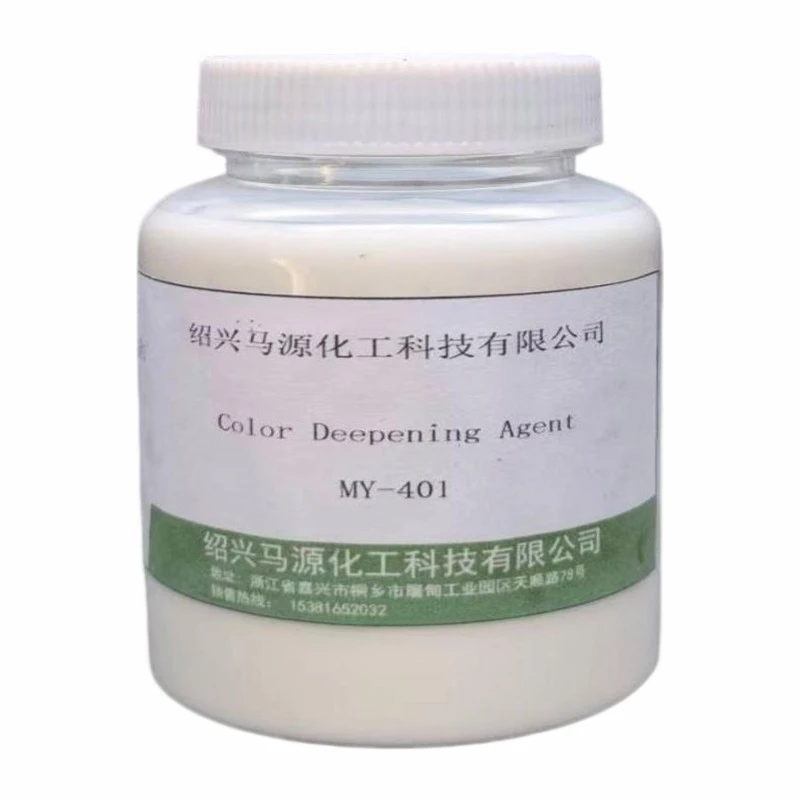
We also offer some specialized functional additives that serve unique purposes. For instance, our Color Deepening Agent can be used to enhance the color of lubricants. This can be useful for aesthetic purposes or for easy identification of different types of lubricants.

Our Commercial Emulsifier is designed to create stable emulsions in lubricants. It can be used to combine oil and water - based components, allowing for the creation of lubricants with specific properties.
And our Moisture Eliminator for Windows is a unique additive that can be used in lubricants for window mechanisms. It helps to prevent moisture - related issues such as corrosion and sticking.
Why Choose Our Functional Additives?
As a functional additives supplier, we understand the importance of high - quality products. Our additives are formulated using the latest technology and the highest - quality raw materials. We conduct extensive testing to ensure that our products meet the strictest industry standards.
Whether you're in the automotive, manufacturing, or any other industry that relies on lubricants, our functional additives can help you improve the performance of your lubricants and extend the lifespan of your machinery.
Contact Us for Procurement
If you're interested in learning more about our functional additives or would like to discuss your specific needs, we'd love to hear from you. Our team of experts is ready to assist you in finding the right additives for your applications. Contact us today to start a procurement discussion and take your lubricant performance to the next level.
References
- Smith, J. (2018). Lubricant Additives: Chemistry and Applications. CRC Press.
- Jones, A. (2020). The Role of Functional Additives in Lubrication Technology. Journal of Tribology, 142(3), 031301.
- Brown, C. (2019). Advances in Lubricant Additive Technology. ASME International.