
Yo, what's up, textile peeps! I'm stoked to be here sharing the latest scoop on textile fixing agents. As a supplier of Fixing Agent in Textile, I've got my finger on the pulse of what's hot in this industry. So, let's dive right in!
1. Eco - Friendly Fixing Agents
One of the biggest trends right now is the shift towards eco - friendly fixing agents. With the growing awareness of environmental issues, more and more textile manufacturers are looking for solutions that are kind to the planet. These eco - friendly agents are made from natural or renewable resources and have a lower impact on the environment compared to traditional ones.
For example, some new fixing agents are derived from plant - based materials. They don't contain harmful chemicals like heavy metals or formaldehyde, which are often found in older products. This not only helps in reducing pollution but also makes the finished textile products safer for consumers.
As a supplier, I've seen a significant increase in demand for these green fixing agents. Customers are willing to pay a bit more for products that are sustainable. It's a win - win situation: the environment benefits, and the manufacturers can market their products as eco - friendly.
2. High - Performance Fixing Agents
In the textile industry, performance is key. High - performance fixing agents are designed to provide better color fastness, which means the colors on the fabric won't fade easily. They can withstand multiple washes, exposure to sunlight, and other harsh conditions.
These agents work by forming strong bonds with the dye molecules, preventing them from being washed out. Some of the latest high - performance fixing agents can even improve the softness and feel of the fabric while enhancing color fastness.
Manufacturers are always on the lookout for these agents because they can produce higher - quality textile products. As a supplier, I'm constantly researching and developing new high - performance fixing agents to meet the ever - increasing demands of the market.
3. Compatibility with Different Fabrics
Another trend is the development of fixing agents that are compatible with a wide range of fabrics. Different fabrics, such as cotton, silk, polyester, and nylon, have different properties. A good fixing agent should be able to work effectively on all these fabrics.
For instance, some new fixing agents are formulated to be universal, meaning they can be used on both natural and synthetic fabrics. This saves manufacturers the hassle of using different agents for different types of fabrics. It also simplifies the production process and reduces costs.
As a supplier, I offer a variety of fixing agents that are specifically designed for different fabric types. Whether you're working with delicate silk or tough polyester, I've got the right solution for you.
4. Synergistic Effects with Other Textile Auxiliaries
Fixing agents don't work in isolation. They often interact with other textile auxiliaries, such as Agent Chelator and Leveling Agent. The latest trend is to develop fixing agents that have synergistic effects with these other auxiliaries.
For example, when a fixing agent is used in combination with a leveling agent, it can help to distribute the dye more evenly across the fabric, resulting in a more uniform color. And when used with an agent chelator, it can prevent the formation of metal complexes that can affect the color quality.

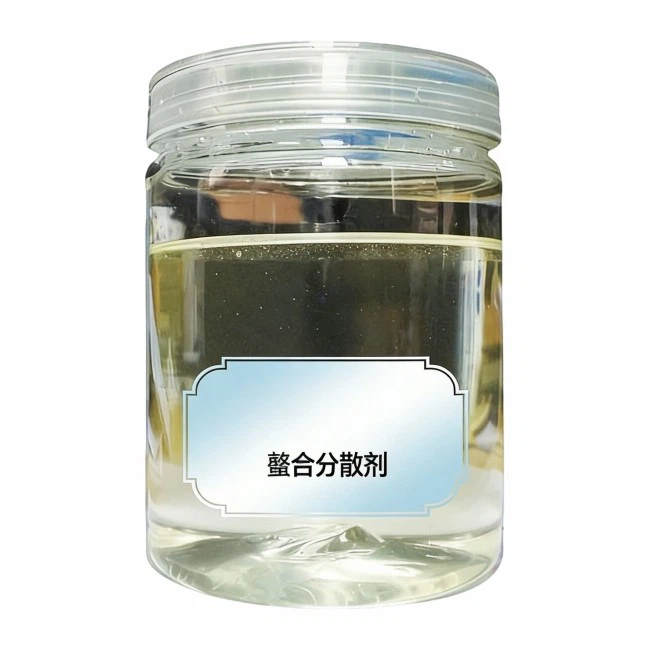
As a supplier, I can provide advice on how to use these agents together to achieve the best results. I've seen firsthand how the right combination of auxiliaries can significantly improve the quality of the textile products.
5. Customizable Fixing Agents
Every textile manufacturer has different requirements. That's why the trend of customizable fixing agents is on the rise. Manufacturers can now get fixing agents that are tailored to their specific needs, such as the type of fabric, the dye used, and the production process.
For example, if a manufacturer is using a special type of dye or working with a unique fabric, they can request a customized fixing agent. This allows them to achieve the best possible results in terms of color fastness and fabric quality.
As a supplier, I'm more than happy to work with customers to develop customized fixing agents. I've got a team of experts who can analyze the specific requirements and come up with the right solution.
Why Choose Our Fixing Agents?
Now that you know about the latest trends in textile fixing agents, you might be wondering why you should choose our Fixing Agent in Textile. Well, here are a few reasons:
- Quality: We use the latest technology and high - quality raw materials to produce our fixing agents. This ensures that our products meet the highest standards of performance and reliability.
- Innovation: We're constantly researching and developing new products to keep up with the latest trends. Our team of experts is always looking for ways to improve our fixing agents and make them more effective.
- Customer Service: We believe in providing excellent customer service. We're always available to answer your questions, provide technical support, and help you find the right fixing agent for your needs.
If you're interested in learning more about our fixing agents or have any questions, don't hesitate to reach out. We'd love to have a chat with you and discuss how we can help you improve your textile production. Whether you're a small - scale manufacturer or a large - scale enterprise, we've got the solutions you need.
So, what are you waiting for? Let's start this journey together and take your textile products to the next level!
References
- Textile Chemistry and Coloration, Third Edition by W. S. Perkins
- Handbook of Textile and Industrial Dyeing by Michael Lewis