
Hey there! As a supplier of Fixing Agent in Textile, I'm super excited to share with you how a fixing agent interacts with the fiber surface of textile. It's a topic that's not only fascinating but also crucial for anyone involved in the textile industry.
Let's start by understanding what a fixing agent is. In simple terms, a fixing agent is a chemical compound that helps to improve the color fastness of dyed textiles. It works by forming a strong bond between the dye and the fiber, preventing the dye from bleeding or fading during washing, rubbing, or exposure to sunlight.
Now, let's dig into how this interaction happens at the fiber surface. The fiber surface of textile is a complex and dynamic environment. Different types of fibers, such as cotton, polyester, silk, and wool, have different surface properties. For example, cotton fibers have a lot of hydroxyl groups on their surface, which can react with certain fixing agents.
When a fixing agent is applied to the textile, it first needs to reach the fiber surface. This can happen through various methods, like dipping the textile in a solution containing the fixing agent or spraying the agent onto the fabric. Once the fixing agent reaches the fiber surface, it starts to interact with the dye and the fiber itself.
One of the key mechanisms of interaction is chemical bonding. Some fixing agents can form covalent bonds with the dye molecules. Covalent bonds are very strong, and they hold the dye firmly to the fiber. For instance, certain reactive fixing agents can react with the functional groups on the dye and the fiber, creating a stable chemical link. This is especially important for achieving good color fastness, as it prevents the dye from being easily washed off.
Another way the fixing agent interacts with the fiber surface is through physical adsorption. The fixing agent molecules can adhere to the fiber surface through weak forces like van der Waals forces and hydrogen bonding. This adsorption helps to keep the dye in place on the fiber. For example, some cationic fixing agents can be attracted to the negatively charged surface of certain fibers, creating a layer that traps the dye.
The interaction between the fixing agent and the fiber surface also depends on the pH of the solution. Different fixing agents work best at different pH levels. For example, some fixing agents are more effective in an acidic environment, while others work better in a basic solution. Adjusting the pH can optimize the interaction and improve the performance of the fixing agent.
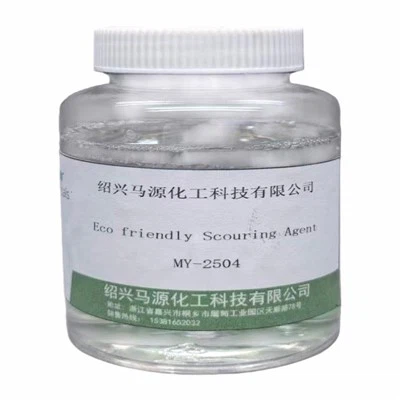
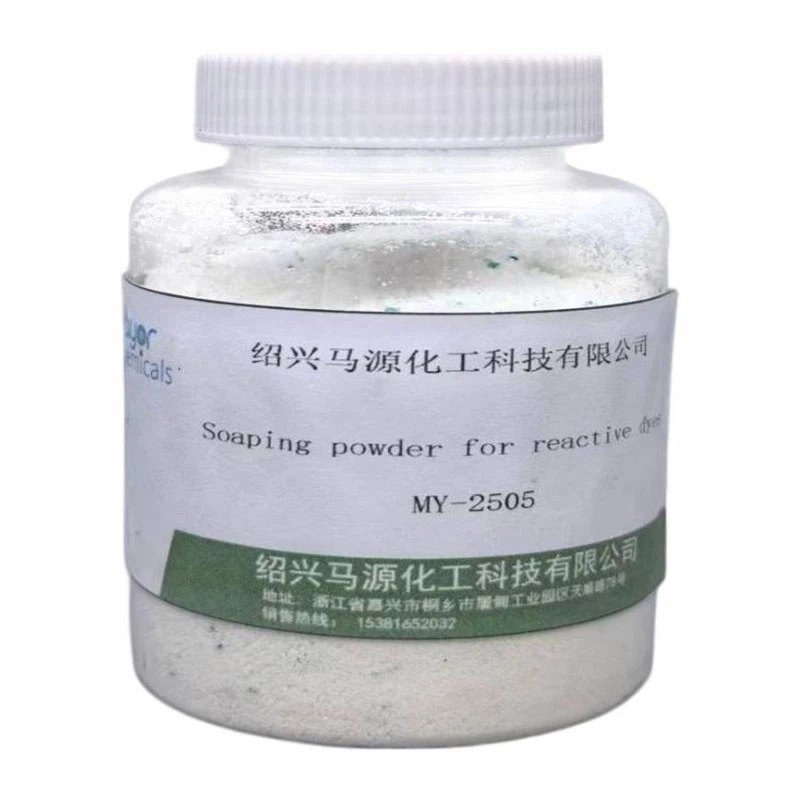
Now, let's talk about the role of other textile auxiliaries in this process. For example, a Scouring Agent in Textile is used to clean the fibers before dyeing and fixing. It removes impurities and natural oils from the fiber surface, making it easier for the fixing agent to interact with the fiber. A Soaping Agent is used after dyeing and fixing to remove any unfixed dye and excess fixing agent. And a Leveling Agent helps to ensure an even distribution of the dye on the fiber, which is important for a uniform color appearance.
The choice of fixing agent also depends on the type of dye used. Different dyes have different chemical structures and properties, and they require different fixing agents to achieve the best results. For example, acid dyes are commonly used for wool and silk, and they often require cationic fixing agents. Reactive dyes, on the other hand, can form covalent bonds with the fiber directly, but a fixing agent can still enhance the color fastness.
In addition to improving color fastness, a good fixing agent can also have other benefits. It can improve the hand feel of the textile, making it softer and more comfortable to wear. It can also reduce the environmental impact of the dyeing process by reducing the amount of dye that is released into the wastewater.
However, there are also some challenges in using fixing agents. For example, some fixing agents can cause yellowing or discoloration of the textile over time. This can be a problem, especially for light-colored fabrics. To overcome this, it's important to choose the right fixing agent and to follow the recommended application conditions.
Another challenge is the compatibility of the fixing agent with other chemicals used in the textile process. For example, some fixing agents may react with other auxiliaries, leading to reduced performance or even damage to the textile. It's important to test the compatibility of different chemicals before using them together.
In conclusion, the interaction between a fixing agent and the fiber surface of textile is a complex process that involves chemical bonding, physical adsorption, and other factors. Understanding this interaction is crucial for achieving good color fastness and other desired properties in textiles. As a supplier of Fixing Agent in Textile, we are committed to providing high-quality products and technical support to our customers.
If you're interested in learning more about our fixing agents or have any questions about the textile dyeing and finishing process, don't hesitate to reach out. We're here to help you find the best solutions for your textile needs. Whether you're a small textile manufacturer or a large-scale producer, we can work with you to optimize your process and improve the quality of your products.

So, if you're ready to take your textile production to the next level, contact us today to start a conversation about how our fixing agents can benefit your business. We look forward to hearing from you!
References
- Textile Chemistry textbooks
- Research papers on textile dyeing and finishing
- Industry reports on textile auxiliaries