
As a supplier of Dye Accelerant, I've seen firsthand how this little - known but crucial product can make or break a dyeing process. In this blog, I'm going to share the factors that affect the performance of a Dye Accelerant.
Chemical Composition
The chemical makeup of a Dye Accelerant is the first and most fundamental factor. Different chemical compounds have distinct properties that can either enhance or hinder the dyeing process. For example, some accelerants contain cationic surfactants. These surfactants can interact with anionic dyes, helping them to attach more effectively to the fabric fibers.
On the other hand, if the chemical composition is not well - balanced, it might cause issues. For instance, an excess of certain chemicals could lead to over - dyeing or uneven color distribution. Some accelerants are formulated with specific additives to improve their performance. These additives can act as stabilizers, preventing the dye from precipitating or aggregating during the dyeing process.
Temperature
Temperature plays a huge role in the performance of a Dye Accelerant. Generally, as the temperature rises, the activity of the accelerant increases. Higher temperatures can speed up the diffusion of dyes into the fabric fibers. However, there's a fine line. If the temperature is too high, it can cause the dye to degrade or the fabric to be damaged.
Most Dye Accelerants have an optimal temperature range for their best performance. For example, some accelerants work best between 60 - 80 degrees Celsius. Outside of this range, their effectiveness can drop significantly. In a real - world dyeing scenario, maintaining the right temperature is crucial. If the temperature fluctuates too much, it can lead to inconsistent dyeing results.
pH Level
The pH level of the dyeing bath is another important factor. Different dyes and accelerants have different pH requirements. Some Dye Accelerants work best in an acidic environment, while others perform better in an alkaline one.
An incorrect pH level can affect the solubility of the dye and the activity of the accelerant. For example, if the pH is too high or too low, the dye might not dissolve properly, leading to poor color uptake. It's essential to adjust the pH of the dyeing bath according to the specific requirements of the Dye Accelerant and the dye being used.
Concentration
The concentration of the Dye Accelerant in the dyeing bath is a critical factor. Using too little accelerant might not provide enough impetus for the dye to penetrate the fabric effectively. On the other hand, using too much can lead to problems such as over - dyeing, increased cost, and potential environmental issues.
Finding the right concentration depends on several factors, including the type of fabric, the dye being used, and the desired color intensity. It often requires some trial and error to determine the optimal concentration for a particular dyeing process.
Fabric Type
Different fabrics have different characteristics, and these can significantly affect the performance of a Dye Accelerant. Natural fibers like cotton and wool have different dyeing properties compared to synthetic fibers such as polyester and nylon.
For example, natural fibers are more porous and can absorb dyes more easily. However, they might also require a different type of Dye Accelerant compared to synthetic fibers. Synthetic fibers often have a more compact structure, and they might need a more powerful accelerant to help the dye penetrate the fibers.
Compatibility with Other Dyeing Auxiliaries
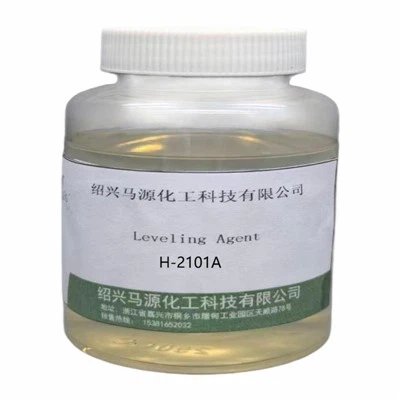
In a typical dyeing process, a Dye Accelerant is often used in conjunction with other dyeing auxiliaries such as Leveling Agent and Scouring Agent in Textile. The compatibility between the Dye Accelerant and these other auxiliaries is crucial.
If they are not compatible, they might react with each other, leading to reduced performance or even causing problems in the dyeing process. For example, a leveling agent might interfere with the action of the Dye Accelerant if they are not formulated to work together.
Storage Conditions
The way a Dye Accelerant is stored can also affect its performance. Exposure to extreme temperatures, humidity, or sunlight can degrade the chemical composition of the accelerant.
For example, if a Dye Accelerant is stored in a hot and humid environment for a long time, it might lose its effectiveness. It's important to store the accelerant in a cool, dry place to maintain its quality.
Water Quality
The quality of the water used in the dyeing process can have a significant impact on the performance of the Dye Accelerant. Water with high levels of impurities such as minerals and heavy metals can react with the dye and the accelerant, affecting their performance.
For example, hard water with high calcium and magnesium content can cause the dye to precipitate, leading to uneven dyeing. Using deionized or purified water can help to ensure consistent results when using a Dye Accelerant.
Mixing and Agitation
Proper mixing and agitation during the dyeing process are essential for the Dye Accelerant to work effectively. If the accelerant is not evenly distributed in the dyeing bath, it can lead to uneven dyeing.
Good agitation helps to ensure that the dye and the accelerant come into contact with all parts of the fabric evenly. This can improve the color uptake and the overall quality of the dyeing.
Dye Type
The type of dye being used also affects the performance of the Dye Accelerant. Different dyes have different chemical structures and properties, and they might require different types of accelerants.


For example, reactive dyes, which form a covalent bond with the fabric fibers, might need a different Dye Accelerant compared to disperse dyes, which are used mainly for synthetic fibers.
In conclusion, there are many factors that can affect the performance of a Dye Accelerant. As a supplier, I understand the importance of these factors and work hard to provide high - quality products that can meet the diverse needs of our customers. If you're in the market for a reliable Dye Accelerant, I'd love to have a chat with you about your specific requirements. Whether you're dealing with natural or synthetic fabrics, different dyes, or unique dyeing processes, we can find the right solution for you. Don't hesitate to reach out and start a discussion about how our Dye Accelerant can improve your dyeing operations.
References
- Textile Dyeing and Finishing Handbook, various authors
- Journal of Textile Science and Technology, multiple issues