
As a seasoned supplier of smoothing agents, I've witnessed firsthand the profound impact these agents have on the curing process of various products. In this blog, I'll delve into the science behind how smoothing agents influence the curing process, exploring the mechanisms, benefits, and applications.
Understanding the Curing Process
Before we discuss the role of smoothing agents, it's essential to understand the curing process. Curing is a chemical reaction that transforms a liquid or semi - liquid material into a solid state. This process can be initiated by heat, light, or chemical catalysts, depending on the nature of the product. For example, in the case of epoxy resins, a curing agent is added to start a polymerization reaction that cross - links the resin molecules, resulting in a hard and durable material.
How Smoothing Agents Interact with the Curing Process
Smoothing agents play a multi - faceted role in the curing process. Firstly, they can affect the surface tension of the material during curing. When a product is in its liquid or semi - liquid state, surface tension can cause unevenness or the formation of bubbles. Smoothing agents reduce the surface tension, allowing the material to spread more evenly. This results in a smoother surface finish once the curing process is complete.
Secondly, smoothing agents can influence the viscosity of the material. During curing, the viscosity of the product changes as the chemical reactions take place. A smoothing agent can help to control this viscosity change. By adjusting the viscosity, it ensures that the material flows and settles properly, preventing issues such as sagging or pooling.
Mechanisms of Action
There are several mechanisms through which smoothing agents exert their influence on the curing process. One of the key mechanisms is adsorption. Smoothing agents are often surface - active agents. They adsorb onto the surface of the material being cured. This adsorption layer can modify the surface properties of the material, reducing the surface energy and improving the wetting characteristics.
Another mechanism is the formation of a lubricating layer. As the curing process progresses, the smoothing agent forms a thin lubricating film between the molecules of the material. This film reduces the friction between the molecules, allowing them to move more freely during the cross - linking reactions. This not only promotes a more uniform curing process but also helps to prevent the formation of internal stresses within the cured product.
Benefits of Using Smoothing Agents in the Curing Process
The use of smoothing agents in the curing process offers numerous benefits. Firstly, it significantly improves the aesthetic quality of the cured product. A smooth surface finish is not only visually appealing but also more resistant to dirt and moisture. For example, in the case of coatings, a smooth surface is less likely to trap dust and debris, making it easier to clean and maintain.
Secondly, smoothing agents can enhance the mechanical properties of the cured product. By reducing internal stresses and promoting a more uniform curing process, they can increase the strength and durability of the material. This is particularly important in applications where the product is subjected to mechanical stress, such as in automotive parts or industrial components.
Applications in Different Industries
Smoothing agents are widely used in various industries due to their positive impact on the curing process.
Coating Industry
In the coating industry, smoothing agents are essential for achieving a high - quality finish. They help to eliminate surface defects such as orange peel, pinholes, and brush marks. For example, in automotive coatings, the use of a Smoothing Agent can result in a mirror - like finish that enhances the appearance of the vehicle.


Plastics Industry
In the plastics industry, smoothing agents are used to improve the mold release properties and surface smoothness of plastic products. During the injection molding process, a smoothing agent can prevent the plastic from sticking to the mold, reducing the risk of damage to the product. It also gives the plastic a smooth and glossy surface, which is desirable for consumer products.
Textile Industry
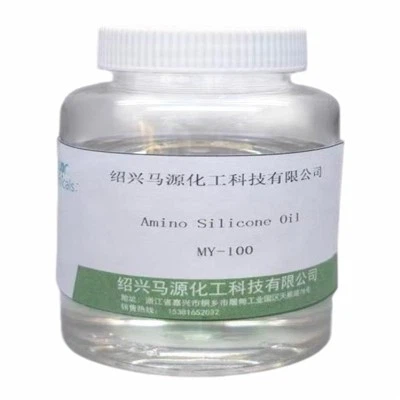
In the textile industry, smoothing agents are used to improve the hand feel and appearance of fabrics. They can reduce the friction between fibers, making the fabric softer and more comfortable to wear. Amino Silicone Oil is a type of smoothing agent commonly used in textile finishing. It can also enhance the water - repellency and stain - resistance of the fabric.
Adhesive Industry
In the adhesive industry, smoothing agents can improve the flow and wetting properties of adhesives during the curing process. This ensures that the adhesive spreads evenly and bonds effectively to the surfaces being joined. Bulk Agent is often used in combination with smoothing agents to adjust the viscosity and improve the overall performance of the adhesive.
Factors to Consider When Using Smoothing Agents
When using smoothing agents in the curing process, several factors need to be considered. Firstly, the compatibility of the smoothing agent with the base material is crucial. An incompatible smoothing agent may cause issues such as phase separation or reduced adhesion. It's important to conduct compatibility tests before using a smoothing agent in a large - scale production.
Secondly, the dosage of the smoothing agent needs to be carefully controlled. Too little smoothing agent may not achieve the desired effect, while too much can lead to problems such as blooming or reduced mechanical properties. The optimal dosage depends on the specific application and the properties of the base material.
Conclusion
In conclusion, smoothing agents play a vital role in the curing process of various products. They improve the surface finish, enhance the mechanical properties, and offer benefits in multiple industries. As a supplier of smoothing agents, I understand the importance of providing high - quality products that meet the specific needs of our customers.
If you're interested in learning more about our smoothing agents or would like to discuss your specific requirements for the curing process of your products, please feel free to reach out. We're always ready to assist you in finding the best solutions for your business.
References
- "Surface Active Agents and Their Applications" by Milton J. Rosen
- "Polymer Science and Technology" by Robert J. Young and Peter A. Lovell
- "Textile Finishing: Principles and Practice" by A. R. Horrocks and C. A. Anand