
Synthetic leather has become a popular alternative to natural leather due to its cost - effectiveness, durability, and wide range of design options. As a finishing agent supplier, I am often asked whether finishing agents can be used on synthetic leather. In this blog post, I will explore this question in detail, discussing the types of finishing agents suitable for synthetic leather, their benefits, and how to use them effectively.
Types of Finishing Agents for Synthetic Leather
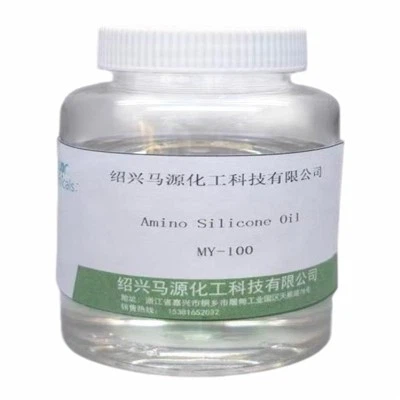
Amino Silicone Oil
Amino silicone oil is a versatile finishing agent that can bring a variety of benefits to synthetic leather. It can improve the softness and smoothness of the leather surface, making it more comfortable to touch. The amino groups in the silicone oil can also enhance the adhesion between the finishing agent and the synthetic leather, resulting in a more durable finish. You can find more information about Amino Silicone Oil.
When applied to synthetic leather, amino silicone oil forms a thin, flexible film on the surface. This film not only provides a soft feel but also offers some degree of water - repellency. It can also reduce the friction between the leather and other materials, which is beneficial for applications where the leather is in contact with other surfaces, such as in furniture or automotive interiors.
Bulk Agent
Bulk agents are used to increase the volume and fullness of synthetic leather. They can make the leather look and feel more substantial, similar to natural leather. Bulk Agent works by filling the pores and voids in the synthetic leather structure, giving it a more three - dimensional appearance.
These agents can also improve the mechanical properties of synthetic leather, such as its tear strength and abrasion resistance. By adding bulk, the leather becomes more resistant to wear and tear, which is especially important for products that are subject to heavy use, like shoes and bags.
Hydrophilic Softener
Hydrophilic softeners are designed to make synthetic leather more absorbent and comfortable. They can improve the moisture - management properties of the leather, allowing it to breathe and reducing the feeling of stickiness. Hydrophilic Softener can also enhance the softness of the leather, making it more pleasant to the touch.
In applications where the synthetic leather comes into contact with the skin, such as in clothing or upholstery, hydrophilic softeners can significantly improve the user experience. They can help to keep the skin dry and comfortable, even in hot and humid conditions.
Benefits of Using Finishing Agents on Synthetic Leather
Improved Aesthetics
Finishing agents can enhance the appearance of synthetic leather, making it look more like natural leather. They can add a rich, lustrous finish, improve the color saturation, and give the leather a more uniform appearance. This is particularly important for high - end applications where the visual appeal of the product is crucial.
Enhanced Performance
As mentioned earlier, finishing agents can improve the mechanical and physical properties of synthetic leather. They can increase the durability, abrasion resistance, and tear strength of the leather, making it more suitable for long - term use. Additionally, agents like hydrophilic softeners can improve the comfort and functionality of the leather, making it more versatile in different applications.
Customization
Finishing agents allow for a high degree of customization. Manufacturers can choose different types of agents and adjust the application process to achieve the desired properties and appearance. This means that synthetic leather can be tailored to meet the specific requirements of different industries and products.
How to Use Finishing Agents on Synthetic Leather
Preparation
Before applying finishing agents, the synthetic leather should be thoroughly cleaned to remove any dirt, dust, or grease. This can be done using a mild detergent and water, followed by a rinse and drying. The leather should be completely dry before the application of the finishing agent to ensure proper adhesion.
Application
The application method of finishing agents depends on the type of agent and the specific requirements of the synthetic leather. Some agents can be applied by spraying, while others may require brushing or dipping. It is important to follow the manufacturer's instructions carefully to ensure the best results.
Curing
After application, the finishing agent needs to be cured. This can be done through air - drying or by using heat. The curing process is essential for the finishing agent to form a stable and durable film on the surface of the synthetic leather.
Considerations When Using Finishing Agents on Synthetic Leather
Compatibility
It is crucial to ensure that the finishing agent is compatible with the type of synthetic leather. Different types of synthetic leather have different chemical compositions, and using an incompatible finishing agent can lead to poor adhesion, discoloration, or other problems.
Environmental Impact
As a responsible supplier, I am committed to providing environmentally friendly finishing agents. When choosing finishing agents for synthetic leather, it is important to consider their environmental impact. Look for agents that are low in volatile organic compounds (VOCs) and are biodegradable.
Cost - effectiveness
While finishing agents can enhance the quality and performance of synthetic leather, it is also important to consider the cost - effectiveness. Manufacturers should evaluate the cost of the finishing agent against the benefits it provides, such as improved aesthetics and performance.
Conclusion
In conclusion, finishing agents can be effectively used on synthetic leather to improve its aesthetics, performance, and functionality. As a finishing agent supplier, I offer a wide range of products, including Amino Silicone Oil, Bulk Agent, and Hydrophilic Softener, that are specifically designed for synthetic leather applications.


If you are interested in learning more about our finishing agents or would like to discuss your specific requirements, please feel free to reach out. Our team of experts is ready to assist you in finding the best solutions for your synthetic leather finishing needs.
References
- Smith, J. (2020). "Advances in Synthetic Leather Finishing Technology". Journal of Materials Science.
- Brown, A. (2019). "The Use of Finishing Agents in Leather and Synthetic Leather Production". Leather Industry Review.