
Hey there! As a supplier of Fixing Agent in Textile, I often get asked if a fixing agent can be used for metallic - fiber - containing textiles. Today, I'm gonna dive deep into this topic and share some insights with you.
First off, let's understand what metallic - fiber - containing textiles are. These textiles have metallic fibers woven or blended in, which give them a shiny, eye - catching look. They're commonly used in fashion, home decor, and even some high - tech applications. But when it comes to dyeing and finishing these textiles, there are some unique challenges.
Metallic fibers are usually made of metals like aluminum, copper, or silver. These metals can react with chemicals in different ways compared to natural or synthetic fibers. For example, some dyes and chemicals might cause the metallic fibers to corrode or lose their luster. That's where fixing agents come in.
A fixing agent is designed to improve the color fastness of dyed textiles. It helps the dye molecules bond more firmly to the fibers, so the color doesn't fade easily when the fabric is washed, exposed to sunlight, or rubbed. But can it work on metallic - fiber - containing textiles?
The short answer is yes, but with some considerations. Metallic fibers have a different surface chemistry than regular fibers. They might not interact with the fixing agent in the same way. For instance, the fixing agent needs to be carefully selected to ensure it doesn't damage the metallic fibers. Some fixing agents contain chemicals that could react with the metal and cause discoloration or weakening of the fibers.
When choosing a fixing agent for metallic - fiber - containing textiles, you need to look for one that is specifically formulated to be gentle on metals. These agents usually have a lower reactivity with metals and are designed to form a stable bond with the dye on both the metallic and non - metallic fibers in the textile.
Another important factor is the application process. The fixing agent should be applied under the right conditions. If the temperature, pH, or concentration of the fixing agent solution is too high or too low, it could have a negative impact on the metallic fibers. For example, high - temperature treatments might cause the metal to expand and contract, leading to cracks or breakage.
Now, let's talk about the benefits of using a fixing agent on metallic - fiber - containing textiles. First of all, it improves the color fastness. This means that the vibrant colors of the textile will last longer, even after multiple washes. It also enhances the overall durability of the fabric. The fixing agent helps to protect the dye from environmental factors like sunlight and moisture, which can cause fading.
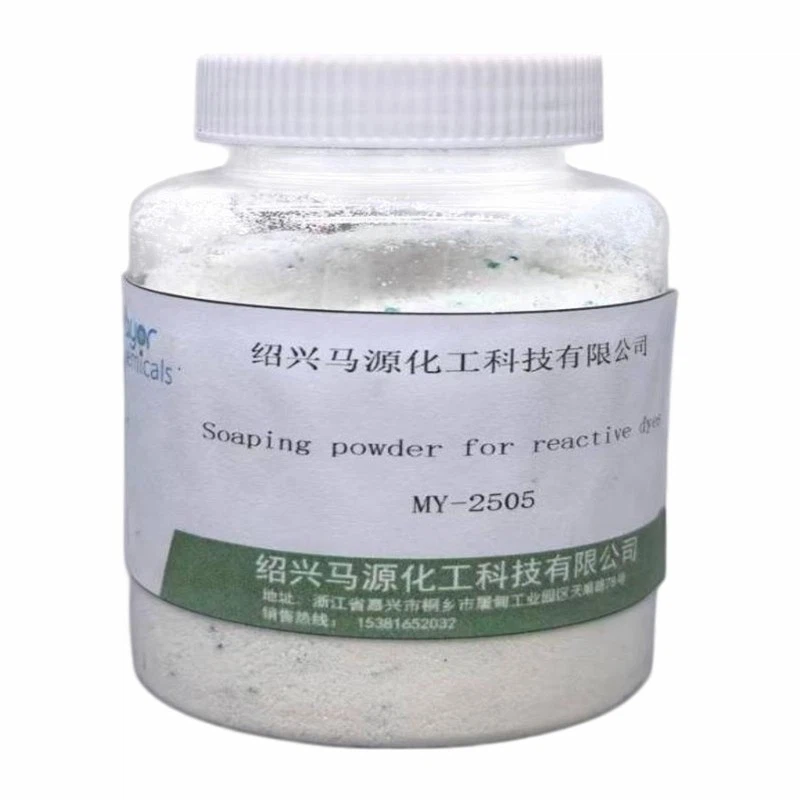
In addition to fixing agents, there are other textile auxiliaries that can be used in conjunction with them. For example, a Soaping Agent can be used after dyeing to remove any excess dye and impurities from the fabric. This helps to improve the color clarity and fastness. A Scouring Agent in Textile can be used before dyeing to clean the fabric and remove any dirt, oil, or sizing agents. This ensures that the dye can penetrate the fibers evenly. And a Leveling Agent can be used during the dyeing process to ensure that the dye is distributed evenly across the fabric, preventing color streaks or unevenness.
However, it's important to note that not all fixing agents are suitable for metallic - fiber - containing textiles. Some fixing agents might contain ingredients that are too harsh for the delicate metallic fibers. So, it's crucial to do some testing before applying the fixing agent to a large batch of textiles. You can start by testing a small sample of the fabric with different fixing agents under different conditions to see which one works best.
When it comes to the actual application of the fixing agent, there are a few methods. One common method is the exhaust method, where the fabric is immersed in a bath containing the fixing agent solution. The solution is then heated to a specific temperature and held for a certain period of time to allow the fixing agent to react with the dye. Another method is the padding method, where the fabric is passed through a trough containing the fixing agent solution and then squeezed to remove the excess liquid.

In conclusion, a fixing agent can be used for metallic - fiber - containing textiles, but it requires careful selection and application. By choosing the right fixing agent and following the proper procedures, you can achieve excellent color fastness and durability for your metallic - fiber - containing textiles.
If you're in the market for high - quality fixing agents for your metallic - fiber - containing textiles, don't hesitate to reach out. We have a wide range of fixing agents that are specifically designed to work well with metallic fibers. We can also provide you with technical support and advice on the best application methods. So, let's start a conversation and see how we can help you take your textile products to the next level.
References:
- Textile Chemistry textbooks
- Industry research papers on textile auxiliaries and metallic fibers