
Hey there! As a supplier of dyeing auxiliaries, I've seen firsthand how water quality can have a huge impact on the performance of these products. In this blog, I'll share my insights on this topic and explain why it's so important to pay attention to water quality when using dyeing auxiliaries.
Let's start by understanding what dyeing auxiliaries are. These are chemicals that are used in the textile dyeing process to enhance the dyeing performance, improve color fastness, and make the dyeing process more efficient. Some common types of dyeing auxiliaries include Scouring Agent in Textile, Color Fixing Agent, and Agent Chelator.
Now, let's talk about water quality. Water is a crucial component in the dyeing process, as it is used to dissolve dyes, carry them onto the fabric, and rinse the fabric after dyeing. The quality of the water can have a significant impact on the performance of dyeing auxiliaries and the overall dyeing result.
One of the key factors in water quality is its hardness. Hard water contains high levels of calcium and magnesium ions, which can react with the dyes and dyeing auxiliaries, causing them to precipitate and form insoluble complexes. This can lead to problems such as uneven dyeing, poor color fastness, and reduced dye uptake. On the other hand, soft water has a low concentration of these ions, which can help the dyes and dyeing auxiliaries to work more effectively.
Another important aspect of water quality is its pH level. The pH of the water can affect the solubility of the dyes and the activity of the dyeing auxiliaries. Most dyes and dyeing auxiliaries work best in a specific pH range, and if the water pH is outside this range, it can lead to poor dyeing results. For example, some dyes require an acidic environment to work properly, while others work better in a basic environment.
In addition to hardness and pH, the presence of other impurities in the water can also affect the performance of dyeing auxiliaries. These impurities can include heavy metals, organic matter, and microorganisms, which can react with the dyes and dyeing auxiliaries, causing them to lose their effectiveness or even damage the fabric.
So, how can we ensure that the water quality is suitable for the dyeing process? One way is to use water treatment methods to remove the impurities and adjust the hardness and pH of the water. This can include processes such as filtration, ion exchange, and reverse osmosis. Another way is to choose dyeing auxiliaries that are specifically designed to work in different water conditions. For example, some dyeing auxiliaries are formulated to be more resistant to hard water or to work in a wider pH range.
Let's take a closer look at how water quality can affect the performance of some specific dyeing auxiliaries.
Scouring Agent in Textile
Scouring agents are used to remove impurities such as oils, waxes, and dirt from the fabric before dyeing. The quality of the water can affect the effectiveness of scouring agents in several ways. Hard water can cause the scouring agents to form insoluble complexes, which can reduce their ability to remove impurities from the fabric. In addition, the pH of the water can affect the activity of the scouring agents. If the water is too acidic or too basic, it can cause the scouring agents to lose their effectiveness.
Color Fixing Agent
Color fixing agents are used to improve the color fastness of the dyed fabric. The quality of the water can affect the performance of color fixing agents in several ways. Hard water can cause the color fixing agents to form insoluble complexes, which can reduce their ability to fix the dyes to the fabric. In addition, the pH of the water can affect the activity of the color fixing agents. If the water is too acidic or too basic, it can cause the color fixing agents to lose their effectiveness.
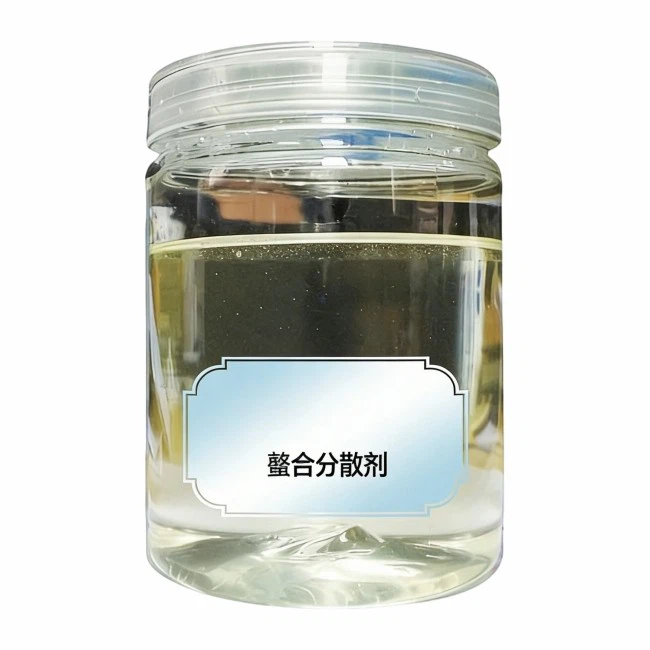
Agent Chelator
Agent chelators are used to remove heavy metals from the water and prevent them from reacting with the dyes and dyeing auxiliaries. The quality of the water can affect the performance of agent chelators in several ways. If the water contains high levels of heavy metals, the agent chelators may not be able to remove them all, which can lead to problems such as uneven dyeing and poor color fastness. In addition, the pH of the water can affect the activity of the agent chelators. If the water is too acidic or too basic, it can cause the agent chelators to lose their effectiveness.
In conclusion, water quality is a crucial factor in the performance of dyeing auxiliaries. By paying attention to the hardness, pH, and other impurities in the water, we can ensure that the dyeing process is more efficient and the dyeing results are of higher quality. As a supplier of dyeing auxiliaries, I recommend that you work with a water treatment specialist to ensure that the water quality is suitable for the dyeing process. In addition, I can provide you with dyeing auxiliaries that are specifically designed to work in different water conditions.
If you're interested in learning more about our dyeing auxiliaries or have any questions about water quality and dyeing, please feel free to contact me. I'd be happy to help you find the right products for your needs and answer any questions you may have. Let's work together to achieve the best possible dyeing results!

References
- Textile Dyeing and Finishing Technology, Third Edition, by Subramanian, S. V.
- Handbook of Textile and Industrial Dyeing, Volume 1: Principles, Processes and Types of Dyes, edited by Muthu, S. S.
- Water Quality and Treatment: A Handbook of Community Water Supplies, by American Water Works Association.