
As a supplier of Agent Chelator, understanding the storage requirements for this product is crucial for maintaining its quality and effectiveness. In this blog, I will delve into the key aspects of storing Agent Chelator, providing valuable insights for both suppliers and end - users.
Temperature and Humidity
The storage temperature plays a vital role in preserving the properties of Agent Chelator. Generally, it is recommended to store Agent Chelator in a cool and dry place. The ideal temperature range is between 5°C and 30°C. Temperatures outside this range can have a negative impact on the chemical stability of the chelating agent.
High temperatures can accelerate chemical reactions within the Agent Chelator. This may lead to the degradation of its active components, reducing its chelating efficiency. For example, at temperatures above 30°C, some of the chelating ligands could undergo thermal decomposition, resulting in a loss of their ability to bind with metal ions.
On the other hand, extremely low temperatures can cause the chelating agent to solidify or crystallize. This not only makes it difficult to handle and dispense but also may change the physical and chemical properties of the product. For instance, if the Agent Chelator freezes, the structure of the chelating molecules might be disrupted, affecting its performance when it is thawed.
Humidity is another important factor. High humidity can cause the Agent Chelator to absorb moisture from the air. This can lead to clumping and caking of the product, which can be a significant problem, especially for powdered forms of the chelating agent. Moisture can also promote the growth of microorganisms, which can contaminate the chelating agent and reduce its shelf - life. Therefore, it is essential to store the product in a low - humidity environment, ideally with a relative humidity of less than 60%.
Container Selection
The choice of container for storing Agent Chelator is of great significance. The container should be made of a material that is chemically inert to the chelating agent. Common materials used for storing Agent Chelator include high - density polyethylene (HDPE) and glass.
HDPE containers are popular due to their durability, resistance to impact, and relatively low cost. They are also lightweight, which makes them easy to handle and transport. HDPE is resistant to many chemicals, including most chelating agents, and can prevent the leakage of the product.
Glass containers, on the other hand, offer excellent chemical resistance and are transparent, allowing for easy visual inspection of the product. However, they are more fragile than HDPE containers and may be more expensive.
Regardless of the container material, it should be tightly sealed to prevent the entry of air, moisture, and contaminants. A well - sealed container also helps to maintain the integrity of the Agent Chelator and prevent evaporation of any volatile components.
Storage Location
The storage location should be away from direct sunlight. Ultraviolet (UV) radiation from sunlight can cause photochemical reactions in the Agent Chelator, leading to the degradation of its active ingredients. Therefore, it is advisable to store the product in a dark place or in containers that are opaque to UV light.
In addition, the storage area should be well - ventilated. Good ventilation helps to prevent the accumulation of any potentially harmful vapors that may be released by the Agent Chelator. It also helps to maintain a stable temperature and humidity within the storage area.
The storage location should also be free from sources of heat, such as radiators or direct heat from industrial equipment. Heat can cause the temperature of the storage area to rise, which, as mentioned earlier, can have a negative impact on the quality of the Agent Chelator.
Compatibility with Other Substances
When storing Agent Chelator, it is important to consider its compatibility with other substances. Agent Chelator should be stored separately from strong acids, strong bases, and oxidizing agents. These substances can react with the chelating agent, leading to chemical reactions that may produce hazardous by - products or reduce the effectiveness of the chelating agent.
For example, if Agent Chelator comes into contact with a strong acid, it may undergo hydrolysis or other chemical reactions that can change its chemical structure. Similarly, contact with an oxidizing agent can cause oxidation of the chelating ligands, reducing their ability to bind with metal ions.
Shelf - Life Considerations
The shelf - life of Agent Chelator is an important factor to consider during storage. The shelf - life is typically indicated on the product label and can vary depending on the specific formulation of the chelating agent.
To ensure the longest possible shelf - life, it is important to follow the storage requirements carefully. Regularly inspecting the stored product for any signs of degradation, such as changes in color, odor, or consistency, can help to identify any potential issues early.

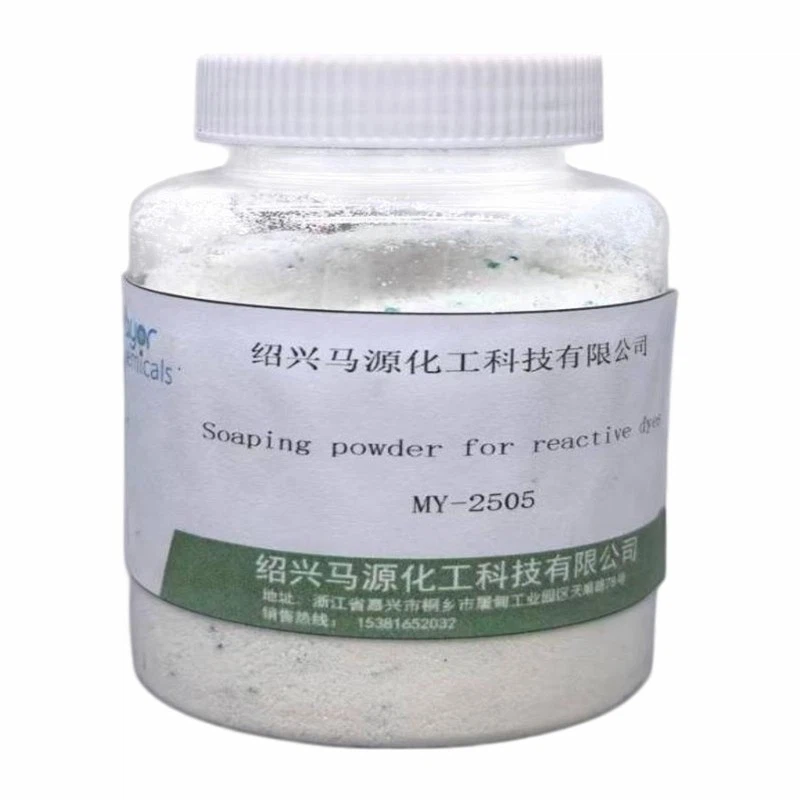
If the Agent Chelator is approaching its expiration date, it is advisable to test its performance before using it. This can help to ensure that the product is still effective and safe to use.
Applications and Related Products
Agent Chelator has a wide range of applications in various industries, especially in the textile industry. In textile processing, it is used to remove metal ions from the fabric, which can improve the dyeing and finishing processes.
For those interested in other textile - related products, we also offer Soaping Agent, which is used to remove excess dye and impurities from the fabric after the dyeing process. Fixing Agent in Textile is another important product that helps to fix the dye on the fabric, improving color fastness. And Scouring Agent in Textile is used to clean the fabric before dyeing, removing natural impurities and dirt.
Conclusion
Proper storage of Agent Chelator is essential for maintaining its quality and effectiveness. By controlling temperature, humidity, choosing the right container, and considering the storage location and compatibility with other substances, we can ensure that the Agent Chelator remains in optimal condition.
If you are interested in purchasing Agent Chelator or any of our other textile - related products, please feel free to contact us for further information and to discuss your specific requirements. We are committed to providing high - quality products and excellent customer service.
References
- Textile Chemicals: Principles, Processes and Performance by D. M. Lewis
- Handbook of Textile and Industrial Dyeing by K. L. Mittal