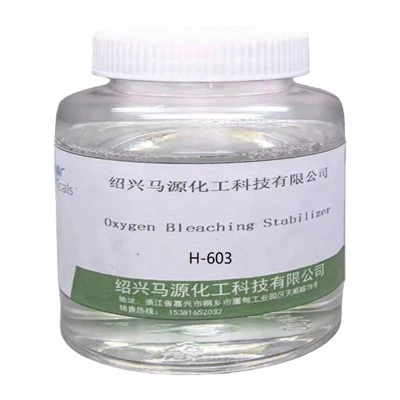

Hey there! As a supplier of peroxide stabilizers, I'm super excited to share with you all about the peroxide stabilizers used in agricultural chemicals.
Peroxide stabilizers play a crucial role in the agricultural chemical industry. You might be wondering, what exactly are they and why are they so important? Well, let's dive right in.
First off, let's understand what peroxide is. Peroxides are chemical compounds that contain an oxygen - oxygen single bond. In the context of agricultural chemicals, peroxides are often used for various purposes such as disinfection, oxidation, and bleaching. However, peroxides are quite unstable. They can decompose rapidly, especially in the presence of heat, light, or certain impurities. This is where peroxide stabilizers come into play.
Peroxide stabilizers are substances that help to control the decomposition of peroxides. They work by inhibiting the free - radical reactions that lead to peroxide breakdown. By doing so, they ensure that the peroxide remains effective for a longer period of time, which is essential in agricultural applications.
One of the main uses of peroxide in agriculture is for soil disinfection. Peroxides can kill harmful pathogens, fungi, and pests in the soil. But if the peroxide decomposes too quickly, it won't be able to do its job properly. That's why a good peroxide stabilizer is needed. A well - stabilized peroxide can penetrate the soil effectively and provide long - lasting disinfection.
Another important application is in the treatment of agricultural water. Peroxides can be used to purify water by removing contaminants and killing bacteria. Again, the stability of the peroxide is key. With a reliable peroxide stabilizer, the peroxide can maintain its oxidative power over time, ensuring clean and safe water for irrigation and livestock.
Now, let's talk about the different types of peroxide stabilizers. There are several common ones, and each has its own unique properties.
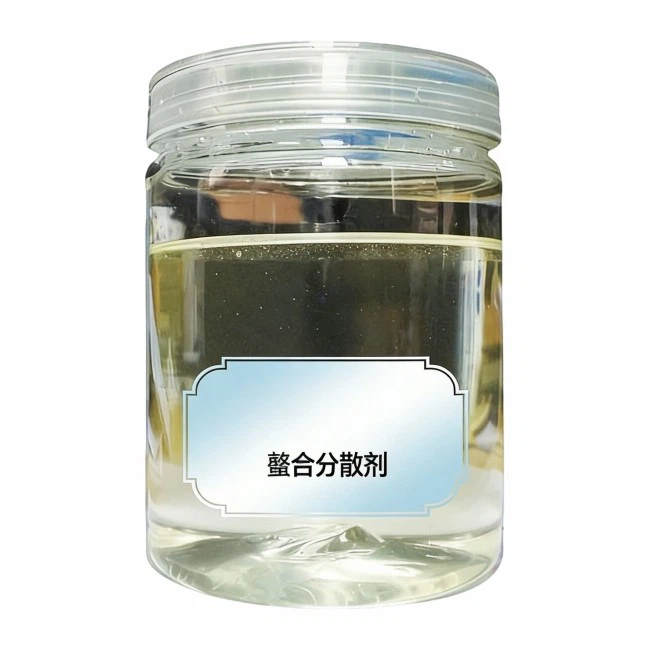
One type is the chelating agents. Chelating agents are substances that can bind to metal ions. In the case of peroxides, metal ions can act as catalysts for decomposition. By binding to these metal ions, chelating agents prevent them from accelerating the breakdown of peroxides. You can learn more about Agent Chelator. Chelating agents are often used in combination with other stabilizers to provide better protection for peroxides.
Another type is the organic stabilizers. These are typically organic compounds that can interact with the peroxide molecules and prevent their decomposition. Organic stabilizers can be very effective in different environmental conditions. They are often used in formulations where a more gentle and long - lasting stabilization is required.
In addition to these, there are also some inorganic stabilizers. Inorganic stabilizers can provide a high level of stability, especially in harsh conditions. They are often used in industrial - scale agricultural chemical applications.
When it comes to choosing the right peroxide stabilizer for agricultural chemicals, there are several factors to consider. First of all, you need to think about the specific application. Different applications may require different levels of stability and performance. For example, if you are using peroxide for soil disinfection in a large - scale farm, you may need a stabilizer that can provide long - term stability and high - level protection.

Secondly, you need to consider the compatibility of the stabilizer with other components in the agricultural chemical formulation. Some stabilizers may react with other chemicals, which can affect the overall performance of the product.
Finally, cost is also an important factor. You want to find a stabilizer that offers good value for money. As a supplier, I understand these concerns and can help you choose the most suitable peroxide stabilizer for your needs.
Now, let's touch on some of the benefits of using peroxide stabilizers in agricultural chemicals.
One of the main benefits is improved product shelf - life. With a good stabilizer, the peroxide - based agricultural chemicals can be stored for a longer time without losing their effectiveness. This is especially important for farmers and agricultural businesses, as they can stock up on these chemicals without worrying about them going bad quickly.
Another benefit is enhanced performance. A well - stabilized peroxide can work more efficiently, whether it's for soil disinfection, water treatment, or other agricultural applications. This means better results and higher yields for farmers.
Peroxide stabilizers also contribute to environmental safety. By ensuring that the peroxide is used effectively, less of it is wasted. This reduces the environmental impact of agricultural chemical use.
In the dyeing auxiliaries field, there are also some related products that are worth mentioning. For example, Leveling Agent is used to ensure an even distribution of dyes, and Color Fixing Agent helps to fix the color on the fabric. Although these are not directly related to peroxide stabilizers in agriculture, they show the importance of additives in different industries.
If you're in the agricultural chemical business or a farmer looking for high - quality peroxide stabilizers, I'd love to have a chat with you. Whether you have questions about the different types of stabilizers, need help with choosing the right one for your specific application, or are interested in purchasing, don't hesitate to reach out. I'm here to provide you with the best solutions and support.
In conclusion, peroxide stabilizers are an essential part of agricultural chemicals. They help to ensure the stability and effectiveness of peroxides, which in turn benefits the agricultural industry in many ways. If you're looking for a reliable supplier of peroxide stabilizers, I'm here to assist you. Let's work together to make your agricultural chemical products better and more efficient.
References:
- Smith, J. (2018). Agricultural Chemicals: Principles and Applications. Publisher X.
- Johnson, A. (2020). Peroxide Chemistry in Agriculture. Journal of Agricultural Science, 12(3), 45 - 56.