
Pretreatment auxiliaries play a crucial role in the construction industry, offering a wide range of benefits that enhance the quality and durability of construction projects. As a leading supplier of pretreatment auxiliaries, I have witnessed firsthand the significant impact these products have on various construction processes. In this blog post, I will delve into the workings of pretreatment auxiliaries in the construction industry, exploring their functions, applications, and the advantages they bring to the table.
Understanding Pretreatment Auxiliaries
Pretreatment auxiliaries are specialized chemicals designed to prepare construction materials and surfaces before the application of coatings, adhesives, or other finishes. These auxiliaries are formulated to improve the adhesion of subsequent coatings, enhance the surface properties of materials, and protect against corrosion, stains, and other environmental factors. They are used in a variety of construction applications, including concrete, metal, wood, and masonry, to ensure optimal performance and longevity of the final product.
How Pretreatment Auxiliaries Work
Surface Cleaning and Degreasing
One of the primary functions of pretreatment auxiliaries is to clean and degrease surfaces before coating or finishing. Construction materials often come into contact with dirt, oil, grease, and other contaminants during manufacturing, storage, or handling, which can interfere with the adhesion of coatings and reduce their effectiveness. Pretreatment auxiliaries, such as Oil Removing Agent, are specifically formulated to remove these contaminants and prepare the surface for proper coating adhesion. These agents typically contain surfactants and solvents that break down and dissolve oil and grease, allowing them to be easily rinsed away.
Surface Activation and Etching
In addition to cleaning, pretreatment auxiliaries can also activate and etch the surface of construction materials to improve coating adhesion. Some materials, such as metals and concrete, have a smooth or passive surface that may not provide sufficient mechanical or chemical bonding for coatings. Pretreatment auxiliaries, such as acid etchants or surface activators, can be used to roughen the surface and create a more porous texture, increasing the surface area available for coating adhesion. This process also helps to remove any oxide layers or other contaminants that may be present on the surface, further enhancing the bonding strength between the coating and the substrate.
Corrosion Protection
Corrosion is a major concern in the construction industry, particularly for metal structures and components. Pretreatment auxiliaries can provide an additional layer of protection against corrosion by forming a passive film or barrier on the surface of the metal. These auxiliaries, known as corrosion inhibitors, work by either preventing the formation of rust and other corrosion products or by slowing down the corrosion process. They can be applied as a primer or incorporated into the coating formulation to provide long-term protection against corrosion in harsh environments.
Penetration and Sealing
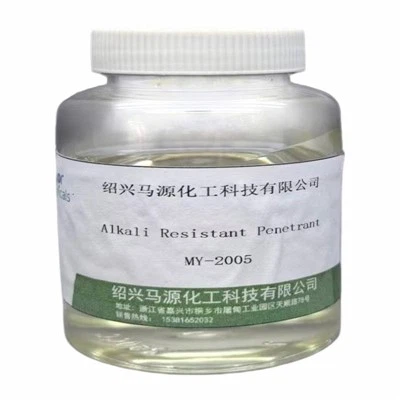
Pretreatment auxiliaries can also penetrate into the pores and cracks of construction materials, providing a sealing effect that helps to prevent the ingress of moisture, chemicals, and other contaminants. This is particularly important for concrete and masonry structures, which are porous and susceptible to water damage and chemical attack. Alkali Resistant Penetrant and Scouring and Penetrating Agent are examples of pretreatment auxiliaries that can penetrate deep into the substrate and form a durable, waterproof barrier that enhances the durability and longevity of the structure.
Applications of Pretreatment Auxiliaries in the Construction Industry
Concrete Construction
In concrete construction, pretreatment auxiliaries are used to improve the surface properties of concrete, enhance the adhesion of coatings and sealants, and protect against corrosion and chemical attack. For example, concrete densifiers and hardeners can be applied to the surface of fresh or hardened concrete to increase its density and hardness, reducing dusting, abrasion, and wear. Silicate-based sealers can be used to penetrate into the pores of concrete and form a waterproof barrier that prevents the ingress of water and chemicals, protecting the concrete from freeze-thaw damage and reducing the risk of corrosion of embedded steel reinforcement.
Metal Construction
In metal construction, pretreatment auxiliaries are essential for preparing metal surfaces for painting, powder coating, or galvanizing. They are used to clean, degrease, and activate the metal surface, removing any dirt, oil, rust, or oxide layers that may be present and creating a smooth, clean surface for optimal coating adhesion. Phosphating and chromating treatments are commonly used as pretreatment processes for metal surfaces, providing a protective conversion coating that enhances corrosion resistance and improves the adhesion of subsequent coatings.
Wood Construction
In wood construction, pretreatment auxiliaries are used to protect wood from decay, insect infestation, and weathering. Wood preservatives, such as copper-based compounds and borates, can be applied to the surface of wood or impregnated into the wood fibers to provide long-term protection against fungi, termites, and other pests. Water repellents and sealers can also be used to protect wood from moisture damage, reducing the risk of swelling, warping, and rot.
Masonry Construction
In masonry construction, pretreatment auxiliaries are used to clean, protect, and enhance the appearance of masonry surfaces. Masonry cleaners can be used to remove dirt, stains, and efflorescence from the surface of bricks, stones, and concrete blocks, restoring their original appearance. Impregnating sealers can be applied to the surface of masonry to provide a waterproof barrier that prevents the ingress of water and salts, protecting the masonry from damage and reducing the risk of efflorescence.
Advantages of Using Pretreatment Auxiliaries in the Construction Industry
Improved Coating Adhesion
By preparing the surface of construction materials and creating a clean, roughened, and activated surface, pretreatment auxiliaries significantly improve the adhesion of coatings and finishes. This results in a more durable and long-lasting coating that is less likely to peel, chip, or blister, even under harsh environmental conditions.


Enhanced Surface Properties
Pretreatment auxiliaries can enhance the surface properties of construction materials, such as hardness, density, and smoothness. This not only improves the appearance of the final product but also increases its resistance to wear, abrasion, and chemical attack, extending its service life.
Corrosion Protection
One of the most significant advantages of using pretreatment auxiliaries in the construction industry is their ability to provide corrosion protection for metal structures and components. By forming a protective film or barrier on the surface of the metal, pretreatment auxiliaries prevent the formation of rust and other corrosion products, reducing the risk of structural failure and costly repairs.
Waterproofing and Sealing
Pretreatment auxiliaries can effectively waterproof and seal construction materials, preventing the ingress of water and moisture, which can cause damage to the structure and reduce its durability. This is particularly important for concrete, masonry, and wood structures, which are porous and susceptible to water damage.
Cost Savings
By improving the performance and durability of construction materials and coatings, pretreatment auxiliaries can help to reduce maintenance costs and extend the service life of construction projects. This can result in significant cost savings over the long term, making them a cost-effective investment for builders and contractors.
Contact Us for Pretreatment Auxiliaries
If you are looking for high-quality pretreatment auxiliaries for your construction projects, look no further. As a leading supplier of pretreatment auxiliaries, we offer a wide range of products that are specifically formulated to meet the needs of the construction industry. Our products are backed by extensive research and development, and our team of experts is available to provide technical support and guidance to help you choose the right products for your specific application.
Contact us today to learn more about our pretreatment auxiliaries and how they can benefit your construction projects. We look forward to working with you to achieve the best possible results.
References
- Smith, J. (2020). Advanced Pretreatment Technologies for the Construction Industry. Construction Materials Journal, 15(2), 123-135.
- Johnson, A. (2019). The Role of Pretreatment Auxiliaries in Concrete Protection. Concrete Technology Review, 30(4), 78-85.
- Williams, B. (2018). Pretreatment of Metal Surfaces for Coating Applications. Metal Finishing Magazine, 45(6), 45-52.