
As a supplier of Desizing Agents, I am often asked about the safety precautions that need to be taken when using these products. Desizing agents play a crucial role in the textile industry, helping to remove sizing materials from fabrics, which is an essential step in the pre - treatment process. However, like any chemical product, they come with certain risks, and it's important to handle them with care.
Understanding Desizing Agents
Desizing agents are chemicals used to break down and remove the sizing agents that are applied to yarns during the weaving process. Sizing agents are used to protect the yarns from abrasion and to improve their weaving performance. Common types of desizing agents include enzymes, acids, and oxidizing agents. Each type has its own unique properties and applications.
Enzyme - based desizing agents are environmentally friendly and highly specific in their action. They work by breaking down the starch - based sizing materials. Acid desizing agents, on the other hand, are more aggressive and can be used to remove synthetic sizing materials. Oxidizing agents are used to oxidize and break down sizing materials, which can be effective for a wide range of sizing types.
Safety Precautions During Storage
Proper storage is the first step in ensuring the safe use of desizing agents. Desizing agents should be stored in a cool, dry, and well - ventilated area. They should be kept away from direct sunlight and heat sources, as high temperatures can cause the agents to degrade or react.
It's important to store desizing agents in their original containers with the labels intact. The labels provide important information about the product, including its composition, hazards, and handling instructions. If the desizing agent is transferred to another container, make sure to label it clearly with the product name, hazard warnings, and handling instructions.
In addition, desizing agents should be stored separately from other chemicals, especially those that can react with them. For example, acid desizing agents should be stored away from alkaline substances to prevent dangerous chemical reactions.
Personal Protective Equipment (PPE)
When handling desizing agents, it is essential to wear appropriate personal protective equipment. This includes safety goggles to protect the eyes from splashes, gloves to protect the hands from chemical contact, and a lab coat or protective clothing to prevent the chemicals from coming into contact with the skin.
Respiratory protection may also be required, especially when working with desizing agents that produce fumes or dust. If the desizing agent is used in a poorly ventilated area, a respirator should be worn to prevent inhalation of harmful chemicals.
Handling and Mixing
When handling desizing agents, it is important to follow the manufacturer's instructions carefully. Always add the desizing agent to water, not the other way around, to prevent splashing and potential chemical reactions. Use a clean and appropriate container for mixing, and make sure to stir the solution thoroughly to ensure even distribution of the agent.
Avoid splashing or spilling the desizing agent. In case of a spill, immediately clean it up using appropriate absorbent materials. Dispose of the contaminated materials according to local regulations.
Ventilation
Proper ventilation is crucial when using desizing agents. Many desizing agents can produce fumes or vapors that can be harmful if inhaled. Ensure that the work area is well - ventilated, either by using natural ventilation or mechanical ventilation systems.
If possible, use desizing agents in a fume hood. A fume hood can effectively capture and remove the fumes and vapors, reducing the risk of inhalation exposure.
Compatibility with Other Chemicals
Before using desizing agents in combination with other chemicals, it is important to check their compatibility. Some desizing agents may react with other chemicals, leading to dangerous chemical reactions or reduced effectiveness.
For example, if you are using an enzyme - based desizing agent, it may be incompatible with certain oxidizing agents. Always consult the product data sheets and safety data sheets to determine the compatibility of different chemicals.
Waste Disposal
Proper waste disposal is an important part of using desizing agents safely. Desizing agents and their waste solutions should be disposed of according to local environmental regulations. Do not pour the desizing agent or its waste into the sewer system or the environment without proper treatment.
Some desizing agents may be considered hazardous waste, and special procedures may be required for their disposal. Contact your local waste management authority for guidance on how to dispose of desizing agents safely.
Training and Education
All personnel who handle desizing agents should receive proper training and education. They should be familiar with the properties of the desizing agents, the safety precautions, and the emergency procedures. Training should include hands - on demonstrations, safety lectures, and the review of safety data sheets.
Regular safety training sessions should be conducted to keep the personnel updated on the latest safety information and procedures. This can help to prevent accidents and ensure the safe use of desizing agents.


Related Products
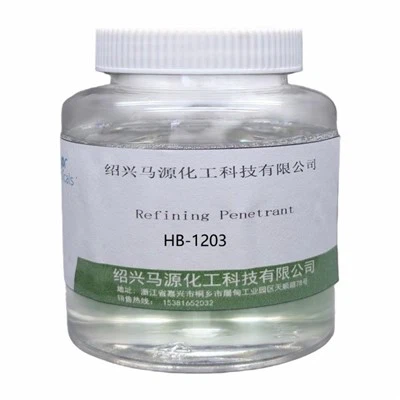
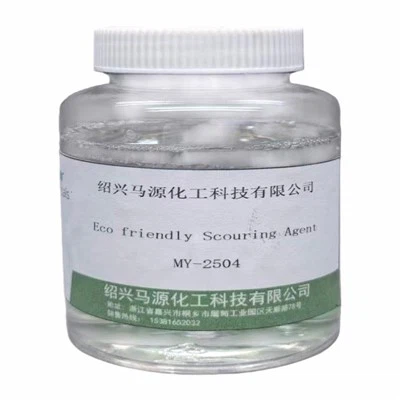
In addition to desizing agents, we also offer a range of other textile pretreatment auxiliaries, such as Scouring and Penetrating Agent and Alkali Resistant Penetrant. These products work together to provide a comprehensive solution for textile pre - treatment.
Conclusion
Using desizing agents safely is of utmost importance in the textile industry. By following the safety precautions outlined above, we can minimize the risks associated with these chemicals and ensure a safe working environment.
If you are interested in our Desizing Agent or other textile pretreatment auxiliaries, we welcome you to contact us for more information and to discuss your specific needs. Our team of experts is ready to provide you with the best solutions and support.
References
- Textile Chemicals: Science and Technology, Second Edition by Thorsten Bechtold and Thomas Mussig
- Handbook of Textile and Industrial Dyeing, Volume 1: Principles, Processes and Types of Dyes by M. Lewis